
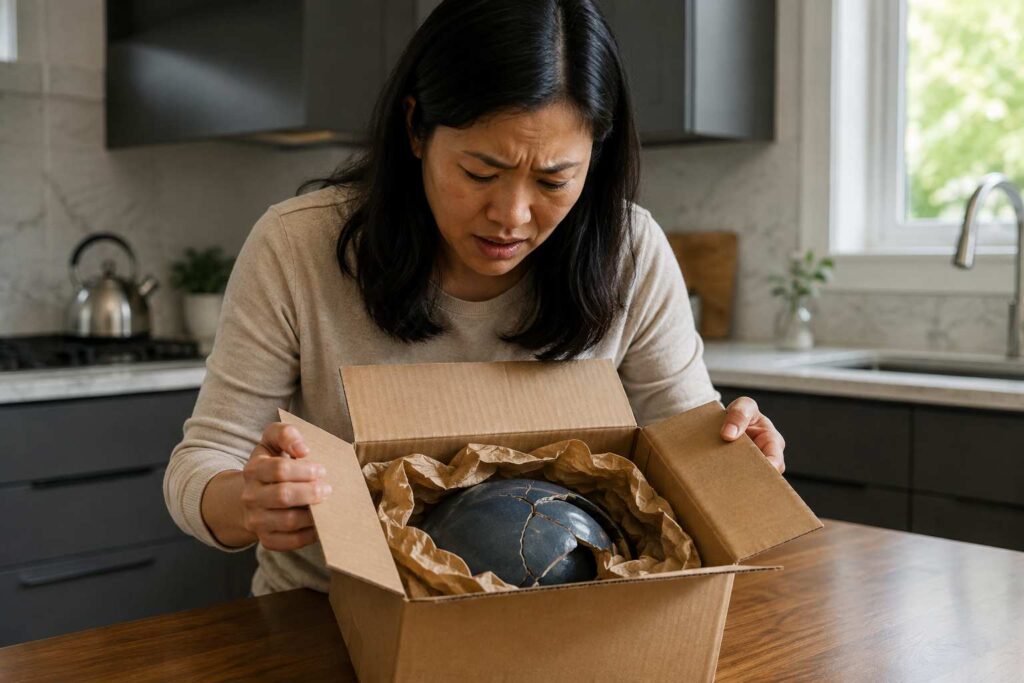
What Should You Do If a Package Arrives Damaged?
If a package arrives damaged, take photos of the box and the item before you touch or discard anything, keep the packaging exactly as it was received, and report it right away, either to the seller or directly to the carrier if you shipped it yourself. Most sellers and all major carriers have a specific, fairly quick process for a damaged delivery, so acting within the first day or two, rather than waiting, is the biggest factor in getting a smooth refund, replacement, or reimbursement.
How Common Is This, Really?
Damaged deliveries are a lot more common than most people assume. Industry research on U.S. parcel shipping estimates that roughly 3 to 4 percent of packages arrive with some form of damage, which works out to about 1 in every 25 shipments. In raw numbers, an estimated 85 million parcels arrived broken, dented, or otherwise compromised in the United States in 2024 alone. Separate consumer research found that 56 percent of online shoppers have returned an item at some point because it arrived damaged or defective, meaning most people who shop online regularly will run into this at some point.
That volume matters for a practical reason: carriers and retailers are not confused or annoyed when you report a damaged package. It is one of the most routine claims they process, with an established set of steps on their end, not an unusual complaint that requires special pleading.
Why Do Packages Get Damaged in the First Place?
Most shipping damage traces back to a handful of ordinary, well documented causes rather than any one carrier being careless. Industry research on delivery mishandling points to a few consistent factors. Overloaded logistics systems are a major one, a recent survey found that 62 percent of logistics workers admitted they have personally seen packages mishandled because of tight time constraints during sorting, loading, or final delivery. Packaging quality is another common factor, since sellers, particularly smaller third party marketplace sellers, sometimes use inadequate cushioning or improperly sealed boxes to save on materials and shipping weight. Fast, high volume delivery services carry extra risk as well, since one study found that ultra fast, hyperlocal delivery services had a 27 percent higher chance of arriving damaged, largely because items get jostled in backpacks, bike carriers, or tightly packed delivery vans by contractors without the same handling training as traditional carrier staff.
None of this means damage is your fault or something you could have prevented as the recipient. It mainly means that when damage happens, it is usually a packaging or handling issue upstream, which is exactly the kind of thing carrier and retailer claims processes are built to cover.
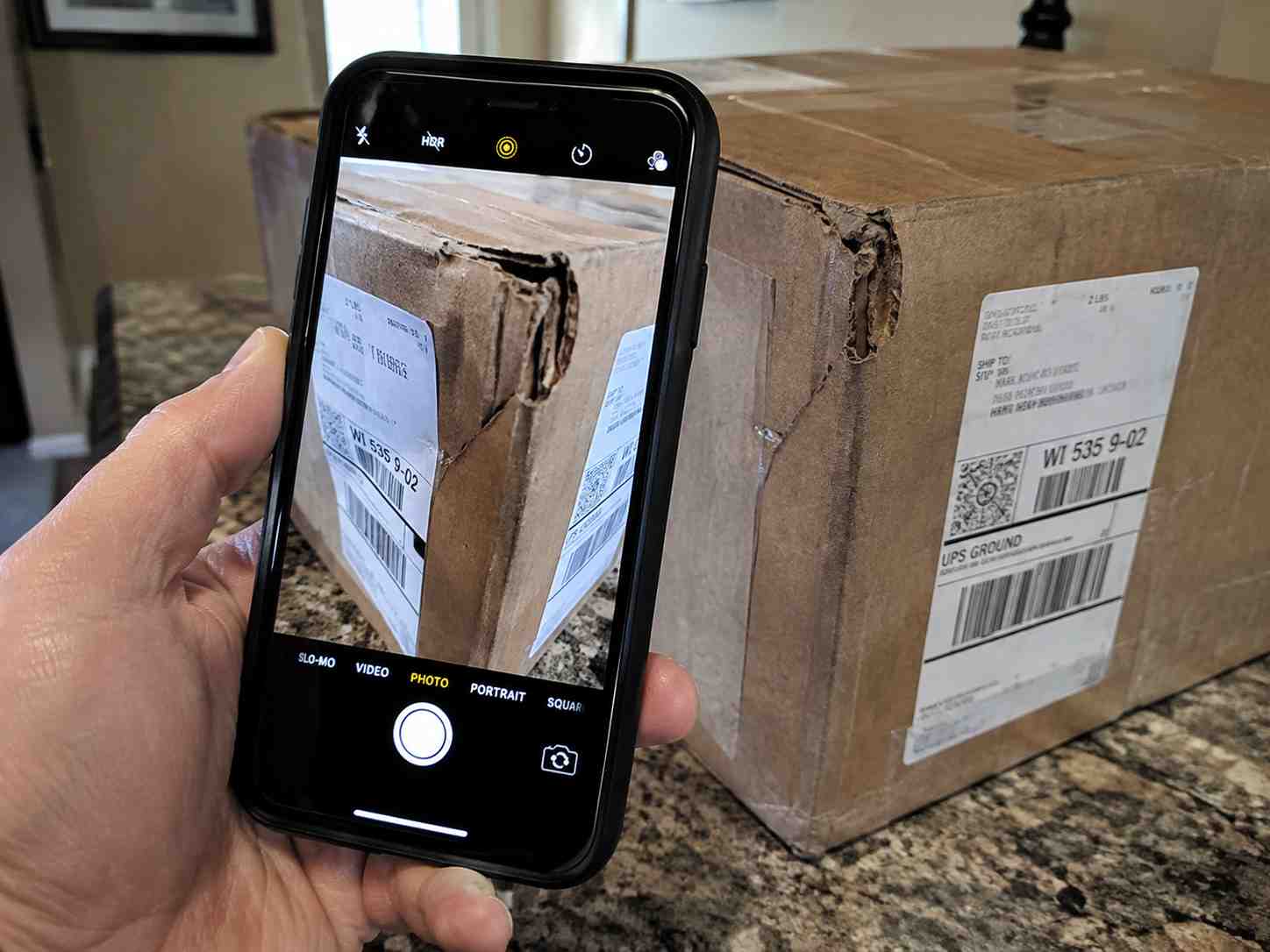
What To Do the Moment You Notice Damage
A few quick actions in the first few minutes make every later step easier.
- Photograph everything first. Take clear photos of the outside of the box from multiple angles, any crushed or torn areas, the shipping label, and the item itself once you open it, before you move or discard anything.
- Keep all packaging. Carriers and sellers frequently want to inspect the original box and cushioning to determine whether the damage happened in transit or before shipping, so do not throw anything away until your claim or return is fully resolved.
- Check the contents carefully. A dented or crushed box does not always mean the item inside is damaged, and an item can be damaged even when the box looks fine, so inspect the actual product rather than judging by the packaging alone.
- Note the date and time. Write down when you opened the package, since some claims processes ask for this and it is easy to forget a day or two later.
For example, imagine ordering a ceramic lamp that arrives in a box with one corner visibly crushed. Even if the lamp looks intact through the packaging, it is worth carefully unwrapping it over a soft surface and photographing it from several angles before deciding whether to report it, since a hairline crack can be easy to miss at a glance.
Should You Refuse the Delivery or Accept It First?
If damage is obvious from the outside, such as a visibly crushed or soaked box, and the driver is still present, you generally have the option to refuse the delivery on the spot. Refusing a clearly damaged shipment typically sends it back to the sender automatically and can start a refund without you needing to file a claim yourself.
In practice, though, most damage is not visible until after the driver has already left and the box has been opened, since a package can look fine on the outside while something inside has shifted or broken during handling. In that far more common situation, accepting the delivery and then documenting the damage yourself is the right move, rather than trying to arrange a pickup or refusal after the fact.
How to File a Claim With Each Carrier
If you shipped the item yourself, or the seller asks you to deal with the carrier directly, each major carrier has its own filing window and process.
USPS allows a damage claim to be filed right away, with a deadline of 60 days from the mailing date for most services. Insured mail, USPS Ground Advantage, and Priority Mail have a minimum wait of 15 days for claims related to loss, but a claim for a package that arrived damaged or with missing contents can be filed immediately, no waiting period required. USPS asks for proof of insurance or the original mailing receipt, proof of the item’s value such as a receipt or invoice, and photos showing the damage, and typically reaches a decision within 5 to 10 days, with payment following in 7 to 10 business days after approval.
UPS and FedEx both use a 60 day filing deadline measured from the delivery date for domestic shipments, and both generally resolve a clean, well documented claim within 5 to 10 business days. As with USPS, incomplete documentation is the main thing that slows a claim down, since the review process effectively restarts each time the carrier has to request something additional.
Across all three carriers, the pattern is the same: file promptly, keep the packaging, and submit clear photos and proof of value up front rather than piecemeal, since that single step does more to speed up a claim than anything else.
What If You Bought It Through a Retailer or Marketplace?
If you purchased the item online rather than shipping it yourself, contacting the seller or retailer first is usually faster than going straight to the carrier. Most online retailers and marketplaces, including large platforms, have their own damaged-item process that can issue a refund or replacement without requiring you to file a carrier claim at all, since the seller’s shipping account typically has more direct access to the carrier than an individual recipient does. If the seller is unresponsive or the marketplace does not resolve it, filing a claim with the carrier directly, or opening a dispute through your payment method, is the next step.
This path matters more than ever given how much of what arrives at your door now comes through high volume subscription delivery services. Amazon Prime alone generated an estimated 7.7 billion deliveries in 2024, and that kind of volume puts real pressure on packaging and handling speed across the industry, which is part of why marketplaces have built fast, largely self-service damaged-item reporting tools into the order history page rather than requiring a phone call.
For example, imagine ordering a set of glassware through a third party seller on a marketplace, and it arrives with two pieces cracked. Reporting it directly through the marketplace’s order page, with photos attached, is typically faster than trying to track down the individual seller’s contact information yourself, since the marketplace can process a refund or reshipment even if that seller is slow to respond.
Frequently Asked Questions
Do I have to keep the damaged box and packaging? Yes, keep everything until your claim or return is fully resolved. Carriers and sellers often want to inspect the original packaging to help determine how the damage happened.
Can I refuse a package that looks damaged before I even open it? If the driver is still there and the damage is visible from the outside, you can usually refuse delivery on the spot, which typically routes the package back to the sender and starts a refund. Once the driver has left, accepting it and documenting the damage yourself is the standard path.
How long do I have to file a damage claim? USPS allows immediate filing for damage, with a 60 day outer deadline. UPS and FedEx both use a 60 day deadline from the delivery date for domestic shipments.
Should I contact the seller or the carrier first? If you bought the item online, contact the seller or retailer first, since they often have a faster, more direct path to a refund or replacement through their own shipping account.
On a side note, if you are the one responsible for receiving and documenting packages for other people, such as a mailroom, apartment complex, or business receiving area, a system that captures a timestamped photo and signature at the moment of handoff can make disputes like this far easier to resolve, which is the kind of thing proof of delivery software is built for.
