
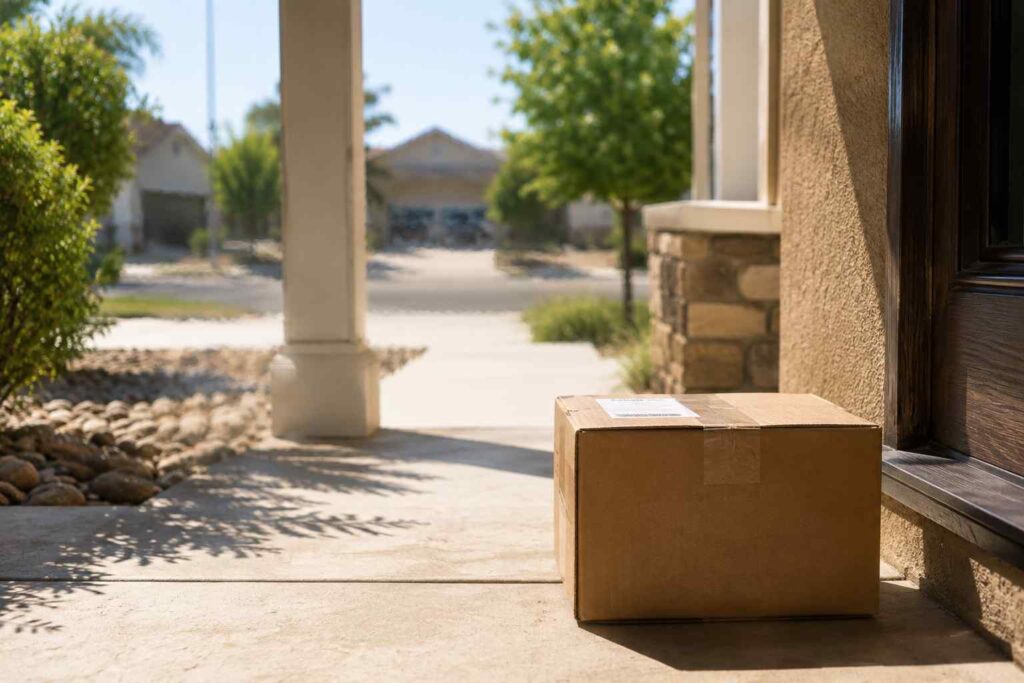
My Package Sat Outside in the Heat or Cold, Is It Still Safe to Use?
Most ordinary items are fine after a few hours outside in hot or cold weather, but a few categories are not: medications, anything marked refrigerated or perishable, and some electronics or cosmetics can be genuinely damaged by extreme temperatures. The safest approach is to check what was inside as soon as you find it, since the right response depends entirely on what you ordered, not just how long it sat outside.
How Hot Does a Mailbox or Porch Actually Get?
It is easy to assume a package is fine as long as it was not in direct sun for very long, but enclosed spaces like mailboxes and delivery trucks trap heat far more than open air does. One pharmacist’s measurements of a mailbox in Arizona found average temperatures of 121 degrees Fahrenheit from August through October, with peaks reaching 130 to 140 degrees. For comparison, most medications are meant to be stored at room temperature, generally defined as 68 to 77 degrees, with only brief fluctuations between 59 and 86 degrees considered acceptable during shipping.
That gap matters. A mailbox or porch sitting at 130 degrees for even part of an afternoon is far outside the range most products, medications especially, are designed to tolerate. Delivery truck cargo areas can run just as hot before a package ever reaches your door, so heat exposure often starts well before the package is sitting outside your home.
How much this matters for you depends heavily on climate and season. A package sitting on a shaded porch in a mild climate for an hour is a very different situation than one sitting in direct summer sun in a hot, dry region for most of a workday. If you live somewhere that regularly sees triple digit afternoons, or you are ordering something heat sensitive during a known heat wave, it is worth planning around that in advance rather than dealing with it after the fact.
What About Cold Weather?
Cold exposure is usually less risky than heat for most everyday items, since freezing temperatures do less chemical damage to typical packaged goods than sustained high heat does. The main exceptions are liquids that expand when frozen, which can crack bottles or containers, certain electronics and batteries, which can lose charge or be damaged by condensation as they warm back up, and any item specifically marked to avoid freezing, such as some skincare products, paints, or liquid medications. A package that was briefly cold is rarely a serious concern the way a package that sat in extreme heat can be, but it is still worth checking anything liquid or battery powered before using it.
Medications Are the Highest-Stakes Category
If a prescription or over the counter medication was left outside during a heat wave, do not simply take it and assume it is fine. Call the pharmacy before taking the medication, describe roughly how long it may have been exposed and to what temperature range if you know it, and ask whether it needs to be replaced. Reputable mail order pharmacies will typically send a replacement or refund if a shipment was genuinely compromised by heat.
Some medications are more heat sensitive than others. Drugs for asthma, diabetes, thyroid conditions, and anxiety have all been specifically flagged as vulnerable to reduced effectiveness after heat exposure, since high temperatures can change the chemical structure of the active ingredients. Insulin is especially sensitive and should never be used after a known extended heat exposure without checking with a pharmacist first. When in doubt with any medication, the cost of a replacement is almost always smaller than the risk of taking something that no longer works as intended.
Food, Skincare, and Other Perishables
Non-medical perishables are generally more forgiving than medication, but the right response still depends on the product. Items like chocolate, candles, or wax based products that melt in heat are usually still safe to use once they cool and re-solidify, even if the shape or texture changed. Items explicitly shipped refrigerated or frozen, such as some skincare ingredients, specialty foods, or supplements, are a different story: if a cold pack has fully warmed and the product was meant to stay chilled, treat it the way you would any spoiled refrigerated item and do not use it, since you cannot see or smell most forms of degradation.
For example, imagine ordering a probiotic supplement that ships with a cold pack, and it sits on a hot porch for six hours before you get home. Even if the capsules look completely normal, a fully melted cold pack combined with that kind of heat exposure is a reasonable basis to contact the seller for a replacement rather than take a chance on a product that depends on live cultures staying stable.
Electronics and Battery-Powered Items
Extreme heat can degrade lithium-ion batteries over time and, in rare cases, create a safety risk, while extreme cold can temporarily reduce battery performance without necessarily causing lasting damage. If a device or battery-powered item was left in a hot car-like environment for an extended period, let it return to room temperature before charging or using it, and inspect it for any swelling, unusual smell, or visible damage to the casing before plugging it in. If you notice any of those signs, do not charge it, and contact the seller or manufacturer instead.
What to Do the Moment You Find a Heat- or Cold-Exposed Package
A few quick steps make it much easier to get a replacement or refund if one turns out to be necessary.
- Note the timing. Check when the package was marked delivered against when you actually found it, since that gap is what determines how long it was realistically exposed.
- Photograph the packaging and any cold pack. A fully melted ice pack or visibly warped packaging helps support a claim if you need one.
- Do not use or consume anything questionable before checking. This applies most strongly to medication and refrigerated items, where the risk of using a compromised product outweighs the inconvenience of waiting to confirm it is safe.
- Contact the seller or pharmacy promptly. Most replacement and refund policies work best when reported soon after delivery rather than days later.
How This Is Different From a Simple Damaged Package Claim
Physical damage from rough handling, like a crushed box or a cracked item, is usually obvious the moment you open the package, and the standard carrier or seller damage-claim process applies the same way it would for any transit damage. Heat and cold exposure is trickier because the packaging can look completely normal while the contents inside have quietly degraded, especially with medication or anything containing live cultures. That is why the guidance for temperature exposure leans more on “check with the pharmacist or seller before using it” rather than “file a damage claim,” since there is often nothing visibly wrong to photograph or point to.
Preventing It From Happening Again
If this keeps happening during hot or cold stretches, a few adjustments can help. Choosing faster shipping speeds during extreme weather reduces the total time a package sits in transit and on your porch, since a package that arrives in one day has far less opportunity to overheat than one that spends three or four days moving through hot regional facilities. Requesting delivery to a workplace or a location with someone home during the day avoids long unattended waits in direct sun. An insulated delivery box, a covered porch, or a shaded pickup spot can meaningfully lower the temperature a package experiences while waiting for you, and for genuinely heat sensitive orders like insulin, some pharmacies and shippers offer insulated packaging with their own gel packs specifically to extend the safe window.
Real-time delivery notifications also help, since knowing the moment something arrives lets you bring it inside before extreme heat has time to build up, rather than discovering hours later that it sat on a hot porch all afternoon. This matters even more for anyone managing deliveries for a household with several people coming and going, since it is easy for everyone to assume someone else already brought a package inside.
Frequently Asked Questions
How long can a package safely sit in extreme heat? There is no universal safe number, since it depends entirely on what is inside. Medications and refrigerated items should be treated with caution after even a few hours in extreme heat, while many non-perishable, non-electronic items can tolerate a full day with little to no real damage.
Should I still take a medication that sat outside in the heat? Call the pharmacy first rather than assuming it is fine. Certain medications, including insulin and thyroid drugs, can lose effectiveness after heat exposure in ways you cannot see or taste.
Does cold weather damage packages the same way heat does? Generally no. Cold is riskier mainly for liquids that can freeze and expand, and for batteries and electronics, but it causes far less chemical damage to most products than sustained extreme heat does.
Is melted chocolate or wax still usable after sitting in the heat? Usually yes. These items typically return to their intended texture once they cool back down and are still safe to use, even if they looked alarming when you first opened the package.
On a side note, if you are the one responsible for packages arriving for other people, such as a mailroom, apartment complex, or business receiving area, getting an instant alert the moment something is delivered, rather than finding it hours later, is exactly what package tracking notifications software is built to do.
