

Can You Track a Package Without a Tracking Number?
Yes, in most cases you can still track a package without the tracking number itself, as long as you can identify the order another way, such as through the retailer’s order history, a confirmation email, or the shipping carrier’s own lookup tools that search by name and address instead of a tracking code. The exact method depends on where the package came from and which carrier is handling it, but losing the tracking number is rarely a dead end.
Start With the Order, Not the Tracking Number
The fastest way to recover tracking information is almost always through the seller, not the carrier. Every major retailer, whether that is Amazon, Walmart, Target, or a smaller online store, keeps a permanent order history tied to your account. Logging into that account and opening the order in question will usually display the tracking number directly, along with a live status, even if the confirmation email that originally contained it was deleted or never arrived.
If you checked out as a guest without creating an account, look for the order confirmation or shipping confirmation email instead. Searching your email inbox for the retailer’s name, the approximate dollar amount of the purchase, or the word “shipped” often surfaces the right message even if you cannot remember exactly when you placed the order. Many retailers also send a follow-up email once the package ships, separate from the original order confirmation, and that second email is the one most likely to include the tracking number.
Searching by Name and Address Instead of a Tracking Number
When the seller cannot help, for example if the package was a gift someone else ordered for you, each major carrier offers a way to search using details other than the tracking number.
USPS allows a search through its Informed Delivery service, which shows scanned images of incoming mail and packages scheduled to arrive at a specific address that day, once you have signed up and verified that address. This will not recover a full tracking history, but it does confirm whether something is on the way and roughly when to expect it.
UPS and FedEx both offer a “track by reference number” option in some cases, which works if the shipper included a purchase order number, invoice number, or similar reference when creating the label, since that reference is often visible to the recipient even without the tracking number. This option depends entirely on whether the original shipper chose to include a reference number, so it does not work for every package.
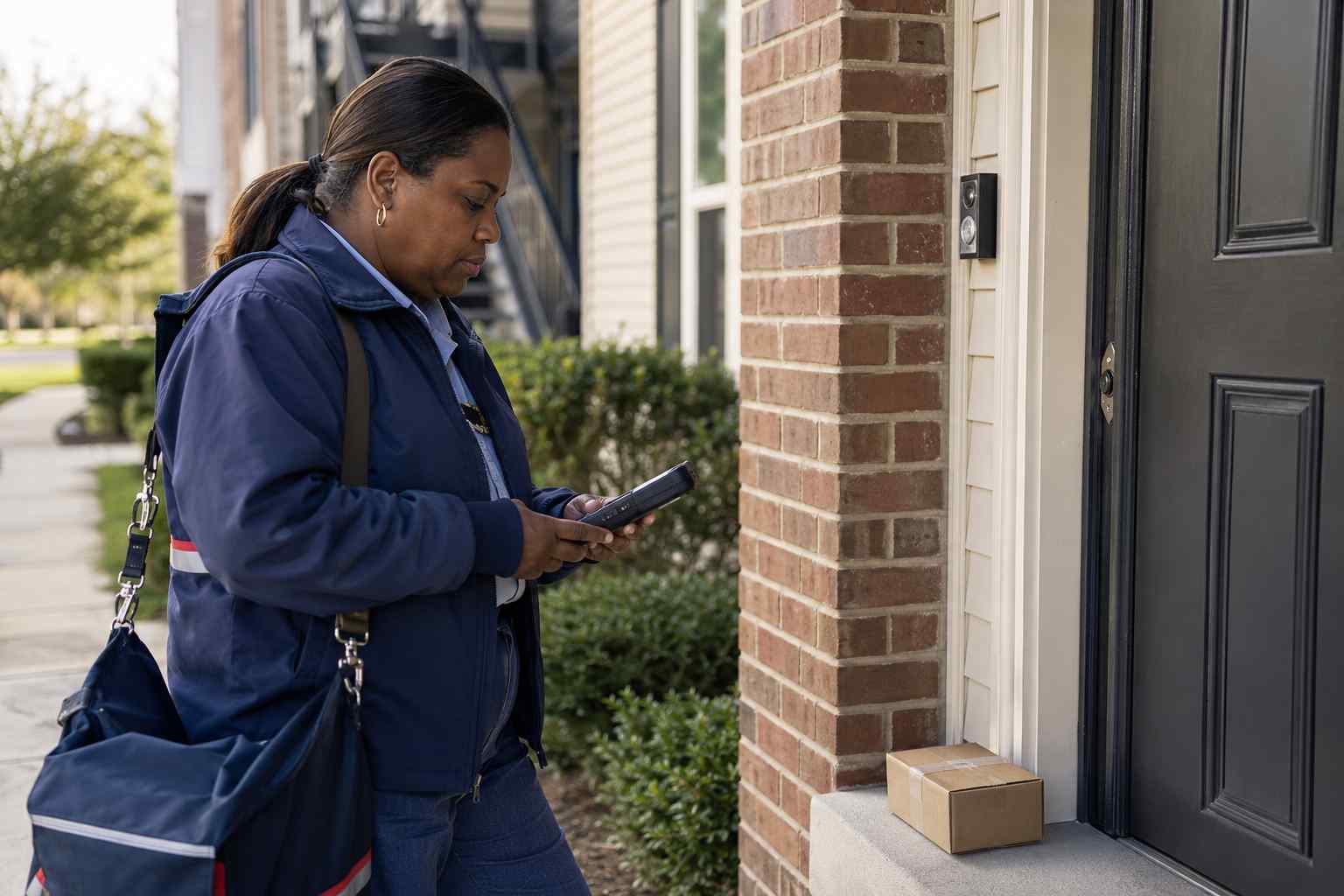
For a package that has already arrived at a local post office, UPS Access Point, or FedEx location for pickup, calling that specific location directly with your name and address is often faster than trying to search online, since staff can look up held packages by recipient information.
What To Do If the Seller and Carrier Searches Both Come Up Empty
If neither the retailer’s order history nor a carrier’s name-based search turns anything up, a few situations are usually responsible, and each has a different next step.
The most common explanation is that the tracking number simply has not been generated yet. Some sellers create a shipping label days before the package is actually picked up by the carrier, and until that first scan happens, there may be nothing yet to search for even with the correct number. In that case, waiting a day or two and checking the retailer’s order page again is usually enough.
A second possibility is that the package was sent using a shipping method that does not include tracking at all, such as USPS First-Class Mail without a delivery confirmation add-on, which was common for lower-cost shipments of small, lightweight items. If the seller’s order page shows a shipping method labeled simply “standard” or “economy” with no tracking number field populated, this is likely the reason, and the only real option is to wait out the estimated delivery window or contact the seller directly.
A third, less common situation is that the package was addressed to the wrong person or an old address, which can happen if a retailer account still has an outdated shipping address saved from a previous order. If the order history shows a delivery address that does not match where you currently live, that mismatch is likely the real problem, and it needs to be resolved directly with the seller rather than through any tracking tool.
Using Informed Delivery as a Backup Layer
For USPS shipments specifically, signing up for Informed Delivery ahead of time is worth doing even before a package goes missing, since it gives you a daily preview of what is arriving regardless of whether you have a tracking number for any individual item. Once enrolled, USPS emails a scan of the exterior of letters and a list of packages scheduled for delivery that day to the registered address. If a package you are expecting shows up in that daily preview, it confirms it is genuinely in the local delivery pipeline even if you never had its tracking number to begin with.
This service does have real limitations. It only shows what USPS itself is delivering, so a UPS or FedEx package will not appear, and it only starts showing a given package once it reaches the local sorting facility, not from the moment it was shipped.
FedEx Delivery Manager and UPS My Choice Cover the Gap Informed Delivery Leaves Open
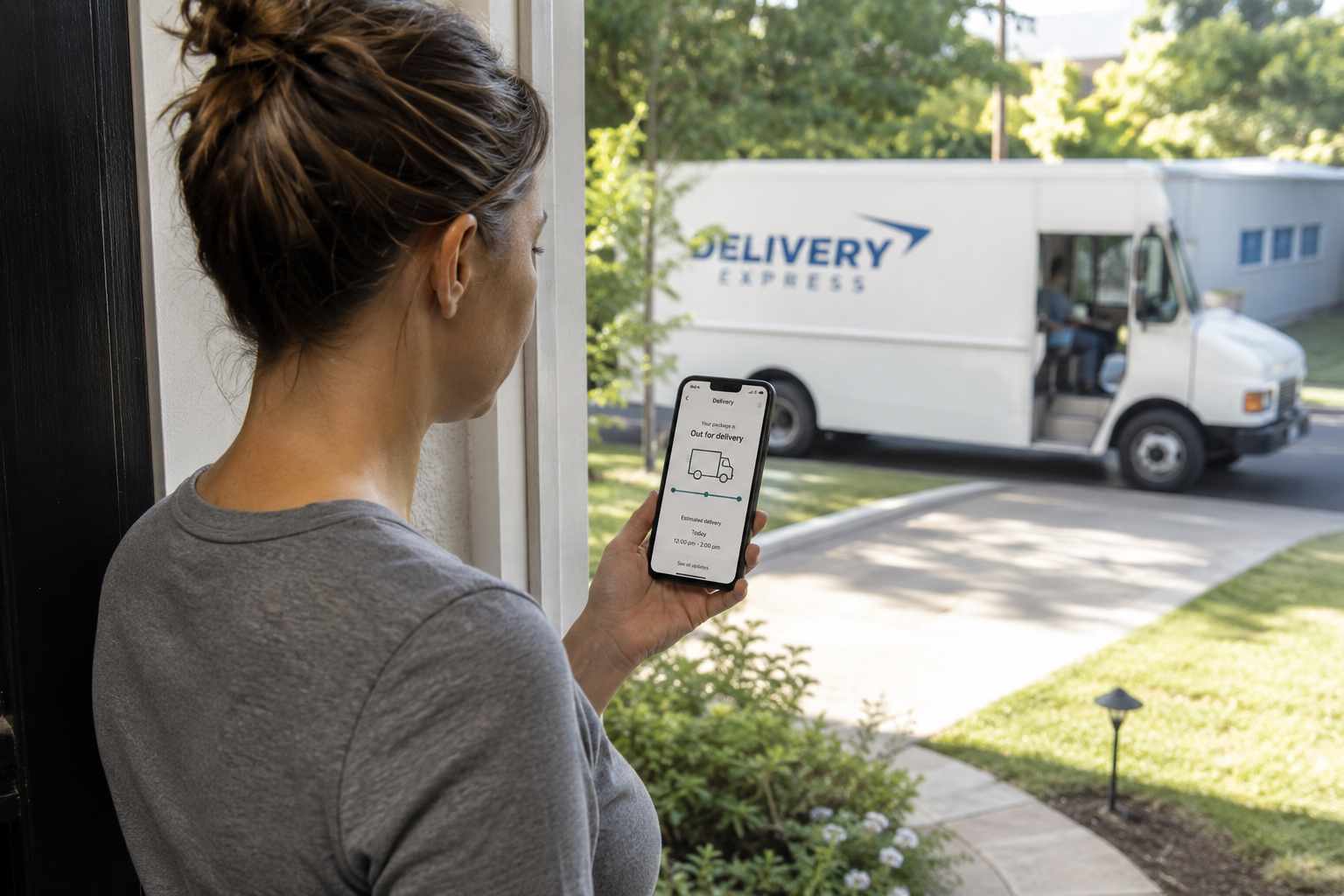
Since Informed Delivery only shows what USPS itself is delivering, tracking a UPS or FedEx package by address alone requires a different, carrier-specific tool. Both carriers offer a free consumer account, FedEx Delivery Manager and UPS My Choice, that link to a home address rather than to any single tracking number, so a package addressed there shows up automatically once the carrier’s system recognizes the destination, even if the recipient never had the tracking number in hand.
FedEx Delivery Manager shows every FedEx shipment scheduled for a registered address, along with options to set delivery time windows, hold a package at a nearby location, or leave delivery instructions for the driver. UPS My Choice works the same way for UPS shipments, showing a calendar of expected deliveries and sending alerts as a package moves closer to arrival. Signing up for both, alongside USPS Informed Delivery, closes the visibility gap left by any single carrier’s tool, since most households receive packages from all three at one point or another.
The tradeoff is the same one Informed Delivery has: these tools show what is coming, not a full tracking history for a specific missing package, and enrollment has to happen before the shipment arrives to be useful, since neither service can retroactively show a delivery that has already been marked complete.
Amazon Third-Party Seller Orders Need a Different Approach
Amazon adds a wrinkle that other retailers do not: an order number and a tracking number are not the same thing, and only the tracking number works on a carrier’s own site. An Amazon order number, the long code shown on the order confirmation, identifies the purchase inside Amazon’s own system, it does not do anything if entered into a UPS, FedEx, or USPS tracking lookup, since carriers only recognize their own tracking numbers.
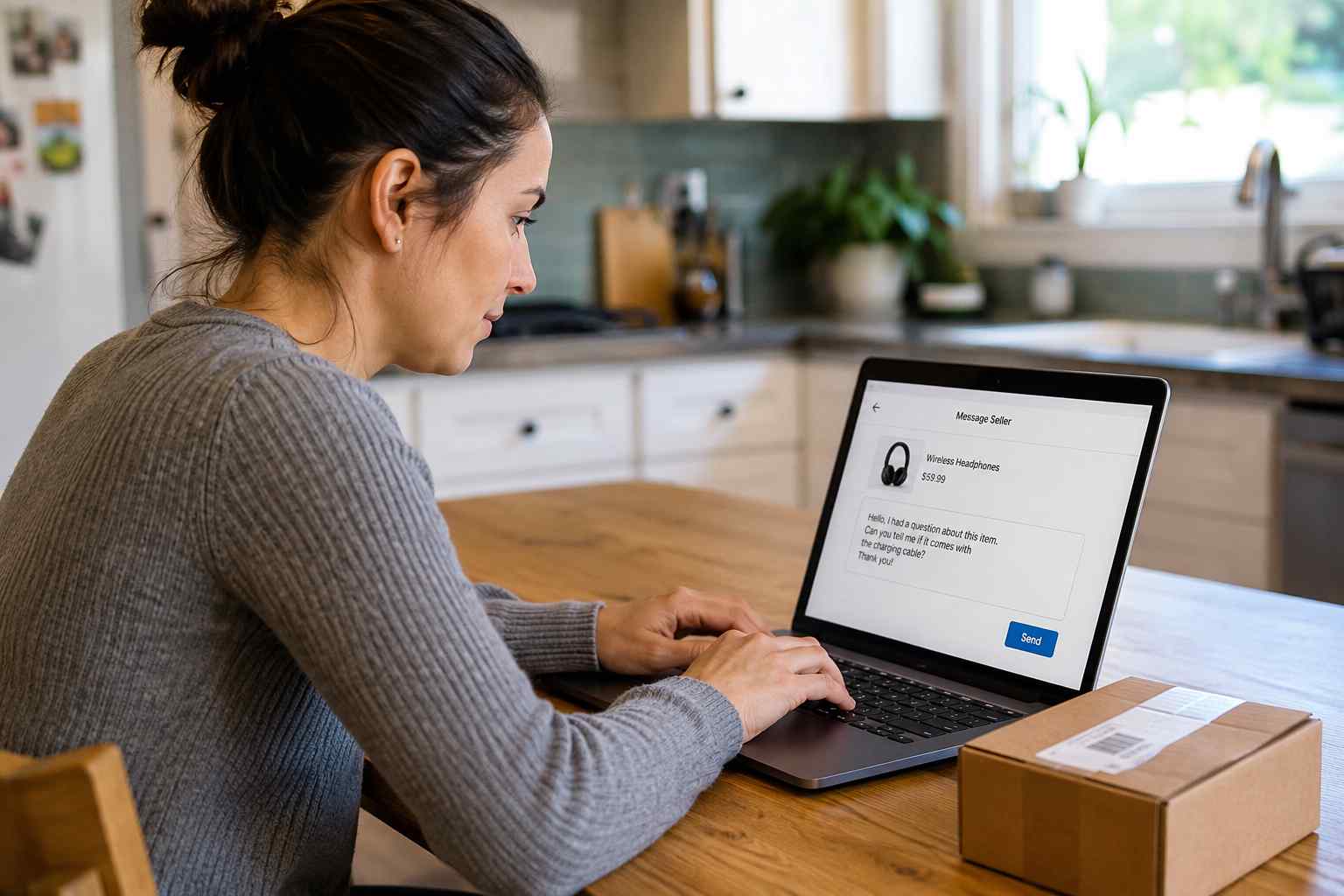
For items sold and shipped by Amazon directly, the tracking number is almost always visible in Your Orders within a day of the order shipping. The more common snag is a marketplace item sold by a third-party seller but fulfilled outside Amazon’s own warehouses, where the tracking number depends on that individual seller actually uploading it. If Your Orders shows a shipped status with no tracking number listed, the fastest path is opening the order, selecting the option for a problem with the order, and choosing to contact the seller directly, since the seller has the tracking number in their own shipping system even when Amazon has not yet displayed it.
Most third-party sellers respond to that kind of message within a day or two, and Amazon’s own marketplace policies require sellers to provide valid tracking or delivery confirmation for most shipped orders, which gives a recipient real leverage if a seller is slow to respond or the tracking information never materializes.
Filing a Missing Package Claim Without a Tracking Number
If a reasonable amount of time has passed, several days past the expected delivery window, and none of the search methods above have turned up a tracking number or a status update, the next step is usually filing a claim or an inquiry, which does not actually require you to have the tracking number in hand. USPS, UPS, and FedEx all accept missing mail or missing package inquiries filed using the sender and recipient address plus an approximate ship date, precisely for situations where the customer never had or has lost the tracking number.
For USPS, the Missing Mail Search Request form asks for the sender and recipient address, a description of the package including size and any identifying markings, and an approximate mailing date, then routes that information to regional mail recovery centers where undelivered items are physically sorted. This process typically takes seven to ten business days to return a result, and it works even when no tracking number was ever generated, since the search is based on the physical description and route rather than a barcode scan.
UPS and FedEx generally expect the shipper, not the recipient, to file a formal claim, since the account holder who paid for shipping is the one with a contractual relationship with the carrier. If you are the recipient rather than the person who paid for shipping, the fastest path is usually to ask the sender to open the claim on your behalf, providing them with whatever details you do have, such as the approximate ship date and delivery address, so they can locate the shipment in their own account history even without a tracking number on hand.
Whichever carrier is involved, having a rough timeline ready before contacting anyone speeds up the process considerably: the date the order was placed, the retailer or sender name, the delivery address, and a description of the item. Carriers and retailers can usually locate a shipment from those details alone even when the tracking number itself has been lost.
Tracking Packages Sent as Gifts
Gift shipments are one of the most common reasons someone ends up trying to track a package without a tracking number, since the recipient never had access to the original order confirmation in the first place. If you know who sent the gift, the most direct solution is simply asking them to forward the shipping confirmation email or check their own order history, since they have full access to the tracking information as the account holder who placed the order.
If the sender is unreachable or you would rather not ask, and you know roughly when the package was ordered and which retailer it came from, USPS Informed Delivery is often the best available option, since it will show the package in the daily preview once it reaches the local delivery route regardless of who originally placed the order. This will not work for UPS or FedEx shipments, but a large share of retail gift shipments, especially from marketplace sellers, are ultimately handed off to USPS for final delivery even when a different carrier handles the earlier legs of the journey.
Frequently Asked Questions
Can I track a package with just my name and address? In many cases yes, though the tool depends on the carrier. USPS Informed Delivery previews packages arriving at a registered address, and some UPS and FedEx tools support lookups by reference number rather than a tracking number, but there is no universal, guaranteed way to search purely by name across every carrier.
What if I never received a shipping confirmation email at all? Log into your account on the retailer’s website and check the order history directly, since the tracking number is stored there even if the email itself never arrived or was filtered into spam.
Does the seller always have the tracking number if I do not? Almost always yes. The seller creates the shipping label and receives the tracking number the moment the label is generated, so contacting them directly is usually the most reliable path when your own records come up empty.
On a side note, if you are the one keeping track of packages for other people, such as running a mailroom, apartment complex, or business receiving area, you may find it worth looking into package tracking software built specifically for that kind of volume.
