
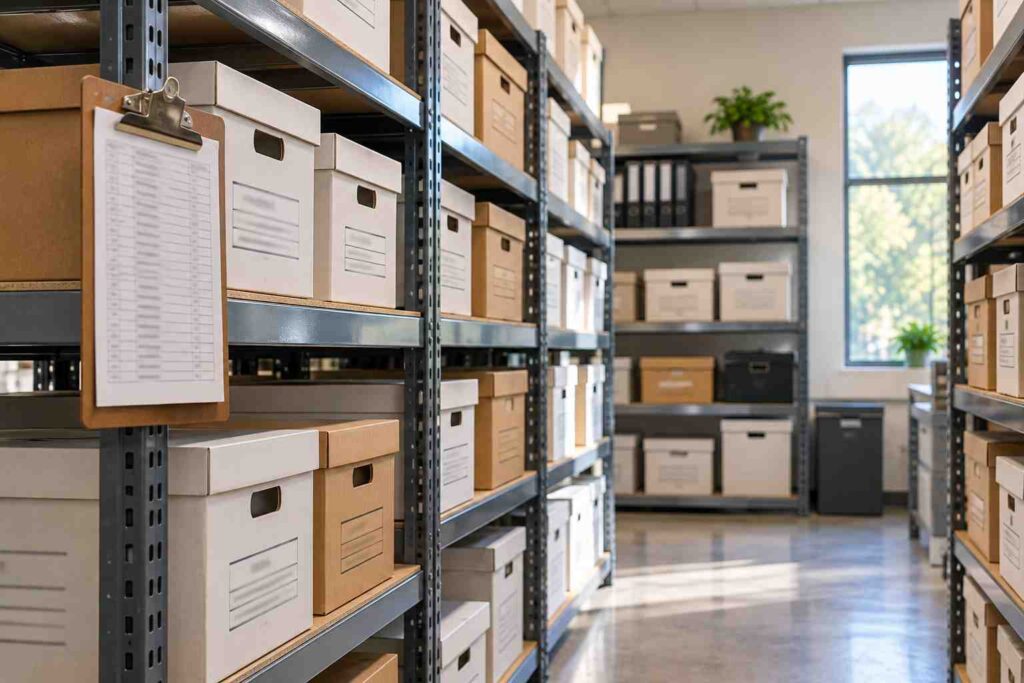
How Long to Keep Package Logs and Delivery Records: A Mailroom Retention Policy Guide
There is no single legal answer to how long a mailroom must keep package logs, but a practical standard for most organizations is one to three years for routine delivery records and longer for packages tied to legal, financial, or regulated items. The right period depends on your industry, your insurance and contract terms, and your risk of disputes. This guide explains how to set a retention policy, what records to keep, and how to dispose of them safely.
Mailroom managers rarely get a retention rule handed to them. Package logs pile up in a binder or a database, and nobody decides when to clear them. Then a dispute arrives, or an auditor asks for last year’s records, and the answer is either “we threw it out” or “we have everything, but cannot find it.” Both are avoidable with a short written policy.
Why Package Log Retention Matters
A package log is evidence. It shows when an item arrived, who received it, who was told, and who picked it up. That evidence is useful for several reasons.
The first is dispute resolution. A recipient claims a package never arrived, or that someone else took it. A time-stamped record with a signature settles the matter fast. If the record has already been deleted, the mailroom has nothing to offer.
The second is insurance and carrier claims. When a package is lost or damaged, carriers and insurers set time limits for filing a claim. Your records need to be available long enough to support a claim within those windows.
The third is audits and investigations. Some organizations must show chain of custody for sensitive items, such as legal documents, medical supplies, or controlled materials. Our guide on how package chain of custody works explains why a complete record matters for these deliveries.
The fourth is operational insight. Months of data show which carriers are busiest, which departments receive the most packages, and how volume changes by season. If you delete the records too early, you lose the trend data you need to plan staffing.
Keeping records forever is not the answer either. Old logs hold names, locations, and delivery patterns. The longer you keep personal data, the longer you carry the risk of exposing it. A good policy keeps records long enough to be useful and no longer.
What Counts as a Delivery Record
Before you pick a number, decide what the policy covers. A typical package delivery record includes several pieces.
- Intake data. The date and time of arrival, carrier, tracking number, and the name of the person who received it.
- Recipient data. The name, department, or unit the package was addressed to.
- Notification history. When and how the recipient was told the package had arrived.
- Pickup data. The date and time of pickup, the name of the person who collected it, and a signature or other proof.
- Photos and notes. Images of damage, labels, or condition at intake, and any remarks from staff.
- Exception records. Details about packages that were damaged, refused, returned, or never claimed.
These pieces do not always need the same retention period. Photos take up more storage than text. Signatures matter most in a dispute. Notification history helps show that the mailroom did its part. Splitting records by type lets you keep the high-value items longer and drop the bulky or low-value ones sooner.
Standards and Guidance to Consider
Rules about record retention come from many places, and few of them mention mailrooms by name. That is why a mailroom policy usually borrows from broader guidance and then adds common sense.
For electronic records and logs, a useful general reference is NIST Special Publication 800-92, the Guide to Computer Security Log Management. It offers practical advice on developing and maintaining log management across an organization, which includes deciding how long to keep logs and how to protect them. The guide does not give one retention number for every business, because the right period depends on legal and operational needs.
Many organizations also follow their own sector rules. A hospital may fall under healthcare record rules. A government contractor may have contract terms that set minimum retention. A public university or agency may follow a state records schedule. A law firm may follow professional rules on client files. If your parent organization has a records retention schedule, start there. Your mailroom policy should fit inside it, not compete with it.
When no rule applies, many teams choose a default of one to three years, then extend it for special cases. That range covers most claim windows and dispute periods while limiting how much personal data is stored. Talk to your legal or compliance contact before finalizing it. They may know of a contract or regulation you have missed.
A Practical Retention Schedule by Record Type
The following example schedule shows how a mid-sized organization might think about it. It is an illustration, not legal advice, and your counsel should adjust it for your situation.
Routine package logs, which cover everyday deliveries with a clean pickup, are often kept for one to two years. This covers most disputes and gives enough history for trend reports.
Records for exceptions, such as damaged, refused, or lost packages, are often kept longer, perhaps three years, since they may be tied to claims. The related photos and notes should stay with them. Our guide on mail tracking software shows how exceptions are recorded for mail and parcels.
Records for regulated or high-value items, such as legal documents, controlled substances, or items tied to a contract, should follow the longer of your internal rule and any outside requirement. These can range from several years to much longer. Mark them in the system so they are not deleted by routine cleanup.
Unclaimed package records need their own rule. If a package is returned to the sender or disposed of after a set period, keep the disposition record for at least as long as you would keep an exception record. Our article on unclaimed and overdue packages explains how to build a policy that clears the shelves while keeping a paper trail.
Consider a hypothetical apartment community with 200 units. It logs about 40 packages a day, so it creates around 14,600 records a year. Under a two-year policy, it holds roughly 29,000 records at any time, which is easy for software to manage but would be a heavy pile of paper. A property manager who uses a paper binder will find that a two-year rule means storing dozens of binders. This is one reason retention policies are easier to follow with residential package tracking software than with paper.
Protecting Personal Data in Old Records
Package logs hold personal information. Names, unit numbers, and delivery patterns can show who is home, who works where, and who orders what. This matters for privacy and security.
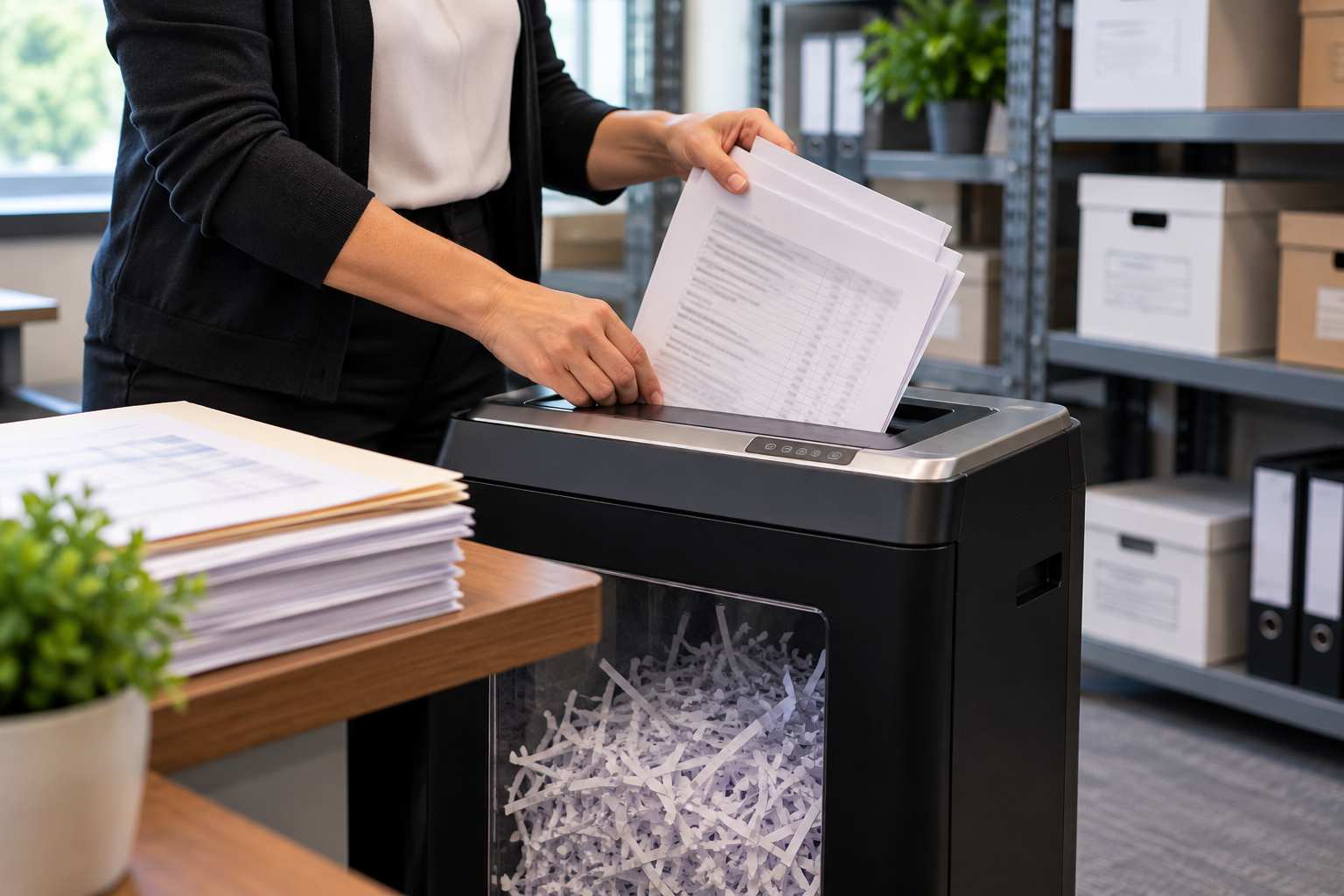
A few steps reduce the risk. Limit who can view old records, and require a reason. Store paper logs in a locked cabinet and electronic logs behind strong access controls. When a retention period ends, destroy records in a way that cannot be reversed: shred paper, and delete electronic records from the system and from backups according to your schedule.
Some organizations keep anonymized data after the period ends. They remove names and keep totals, such as packages per carrier per month. This preserves the planning value without keeping personal details. If your software supports it, anonymizing is a good middle path.
If your organization serves people in a regulated setting, such as patients or students, check whether privacy rules apply to delivery records. When in doubt, ask your privacy or compliance officer. Our article on data security and compliance considerations for choosing package tracking software lists the questions to raise.
Legal Holds and Exceptions
A retention schedule has one important exception: the legal hold. If your organization is involved in a lawsuit, investigation, or audit, or reasonably expects to be, normal deletion must stop for the related records. A package log that is tied to the matter must be preserved until counsel says otherwise.
Build this into the policy. Name the person who can place a hold, usually legal counsel or compliance. Make sure the mailroom knows how to pause deletion, whether in the software or in a filing room. A routine cleanup that wipes out evidence after a hold is announced can cause serious trouble.
Paper vs. Electronic Retention
Paper logs are hard to retain well. They take space, they fade, they can be lost or damaged, and they cannot be searched. A paper policy often fails because nobody wants to go through the boxes. When someone does need a record, finding it can take hours.
Electronic records are easier to keep, sort, and delete on schedule. Many systems can apply a retention period automatically, flag records approaching the end of their life, and produce a report of what was removed. They also support fast searches, so a request for “every package signed for by this person in March” takes seconds.
If you still log by hand, a retention policy is one more reason to move to software. Our guide to digital mailroom software shows how a digital record supports both daily work and long-term records.
How to Write and Roll Out the Policy
A good policy fits on one or two pages. It names what is covered, how long each type is kept, who owns the policy, how records are destroyed, and how holds are handled. Keep the language plain so that a new hire can follow it.
Start by listing the record types your mailroom creates. Ask legal, compliance, or your records manager what rules apply. Choose a retention period for each type, and write down why. Decide how disposal will happen and who will do it. Add a line about legal holds. Then get sign-off from the right leaders, and share the policy with the mailroom team.
After launch, review the policy once a year. Check that the periods still match your contracts, insurance terms, and rules. Test it by asking for a record at random and seeing how long it takes to find. If the answer is “too long,” adjust the storage or search process.
Frequently Asked Questions
How long should a mailroom keep package logs?
There is no universal rule. Many organizations keep routine package logs for one to three years and keep records for exceptions, regulated items, or legal matters longer. Check your industry rules, contracts, and your organization’s records schedule first.
Do I need to keep signatures from package pickups?
Yes, for at least as long as you keep the related package record. The signature is often the strongest evidence in a dispute.
Can I delete package logs automatically?
Yes, if your retention policy allows it and no legal hold applies. Many software systems can apply a schedule automatically, though you should confirm that holds can pause deletion.
What should I do with records of unclaimed packages?
Keep the record of what happened, such as return to sender or disposal, for at least as long as you keep exception records. This protects you if the owner asks about the package later.
Who should approve a mailroom retention policy?
Your legal, compliance, or records management contact should review it, along with whoever owns the mailroom budget. They can spot rules and contract terms that the mailroom may not know about.
Keep Records You Can Trust and Find
A retention policy only works if your records are complete and easy to search. TekCore’s package tracking software captures a time-stamped record at every step, so you can keep what you need and retire what you do not. Read our white paper for more on building an audit-ready process, or schedule a demo to see how records are stored and searched.
