
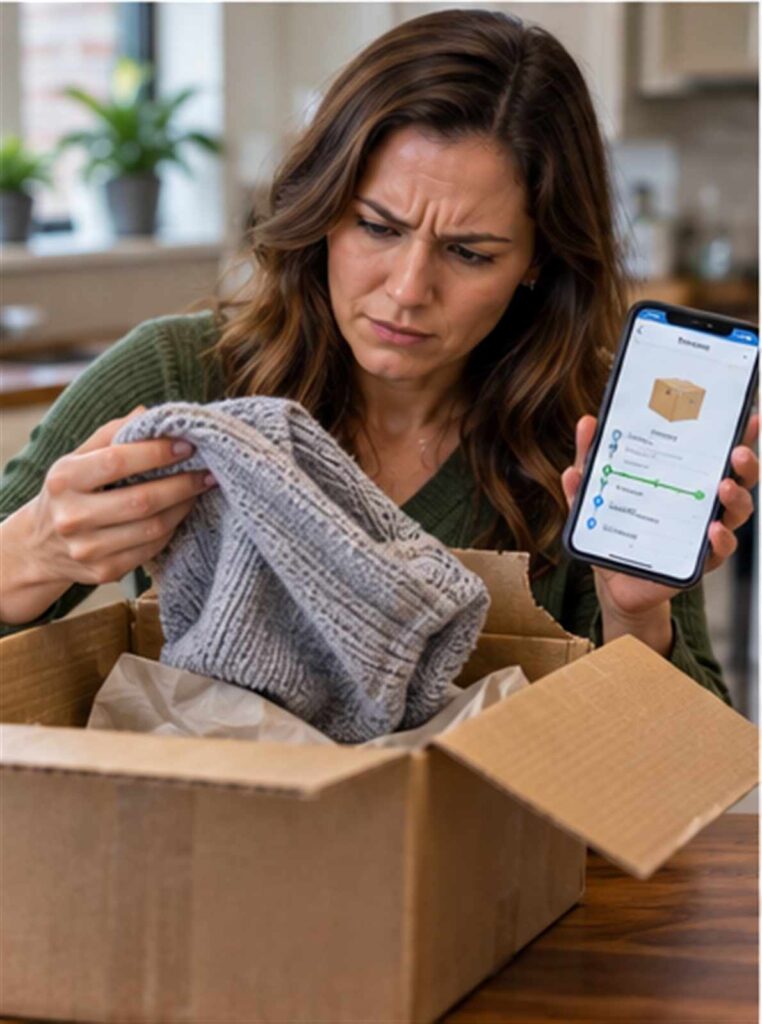
Why Does My Tracking Number Show a Different Package Than What I Ordered?
If your tracking number shows a delivery address, item description, or delivery date that does not match what you actually ordered, the most common explanation is that the number was recycled or reused from a previous, unrelated shipment before your own label was scanned into the system. This is a known, if infrequent, issue with high-volume carrier networks, and it usually resolves itself once your actual package receives its first real scan. In rarer cases, a mismatched tracking number can be a sign of a scam text or email rather than a real shipping problem at all, so it helps to know how to tell the two situations apart.
Why Tracking Numbers Sometimes Show the Wrong Package
Carriers generate an enormous volume of tracking numbers every single day, and in some circumstances a number can end up associated with more than one shipment before the mix-up is caught. This can happen when a shipping label gets voided or canceled after a tracking number was already generated for it, and that same number later gets assigned to a new, unrelated shipment before the system has fully cleared the old data. Sellers and shipping platforms have documented this pattern with USPS in particular, where a customer support representative may confirm that a number was reused and recommend voiding the affected label entirely rather than trying to reuse it.
When this happens, the tracking page may briefly display a different destination city, a different delivery date, or item details that do not match your order at all, simply because the system is still showing information tied to the previous shipment that used the same number. Once your actual package receives its first real scan into the carrier’s network, the tracking history typically updates to reflect your shipment correctly, since the new scan overwrites the outdated information that was showing.
How to Tell a Mix-Up From a Genuine Mistake
A tracking number mismatch caused by number reuse is usually easy to identify because the timeline looks inconsistent rather than simply wrong. You might see a delivery date that has already passed even though you just placed the order, or a destination city that has nothing to do with your address or the seller’s shipping origin. These telltale signs point to leftover data from an old shipment rather than your package actually being sent to the wrong place.
Consider a realistic example. A shopper orders a birthday gift and receives a shipping confirmation with a tracking number that afternoon. When they check the tracking page the next morning, it shows the package was already delivered two days earlier to an address in a different state entirely. Because the delivery date predates the order itself and the address has no connection to either the shopper or the seller, this is a strong sign of a reused tracking number rather than an actual delivery mistake, since a real delivery could not have happened before the order was placed. Once the seller’s actual shipment receives its first genuine scan, typically within a day or two, the tracking history usually replaces that outdated information with accurate details matching the real shipment.
A genuine shipping mistake looks different. If the tracking page consistently shows a real address that is simply incorrect, such as a transposed apartment number or a neighboring street, and that same wrong address persists across multiple scans as the package physically moves, that is more likely an actual address error made at the point of sale or during label creation rather than a reused tracking number. In that situation, contacting the seller quickly, before the package is delivered to the wrong address, gives you the best chance of having it intercepted or redirected.
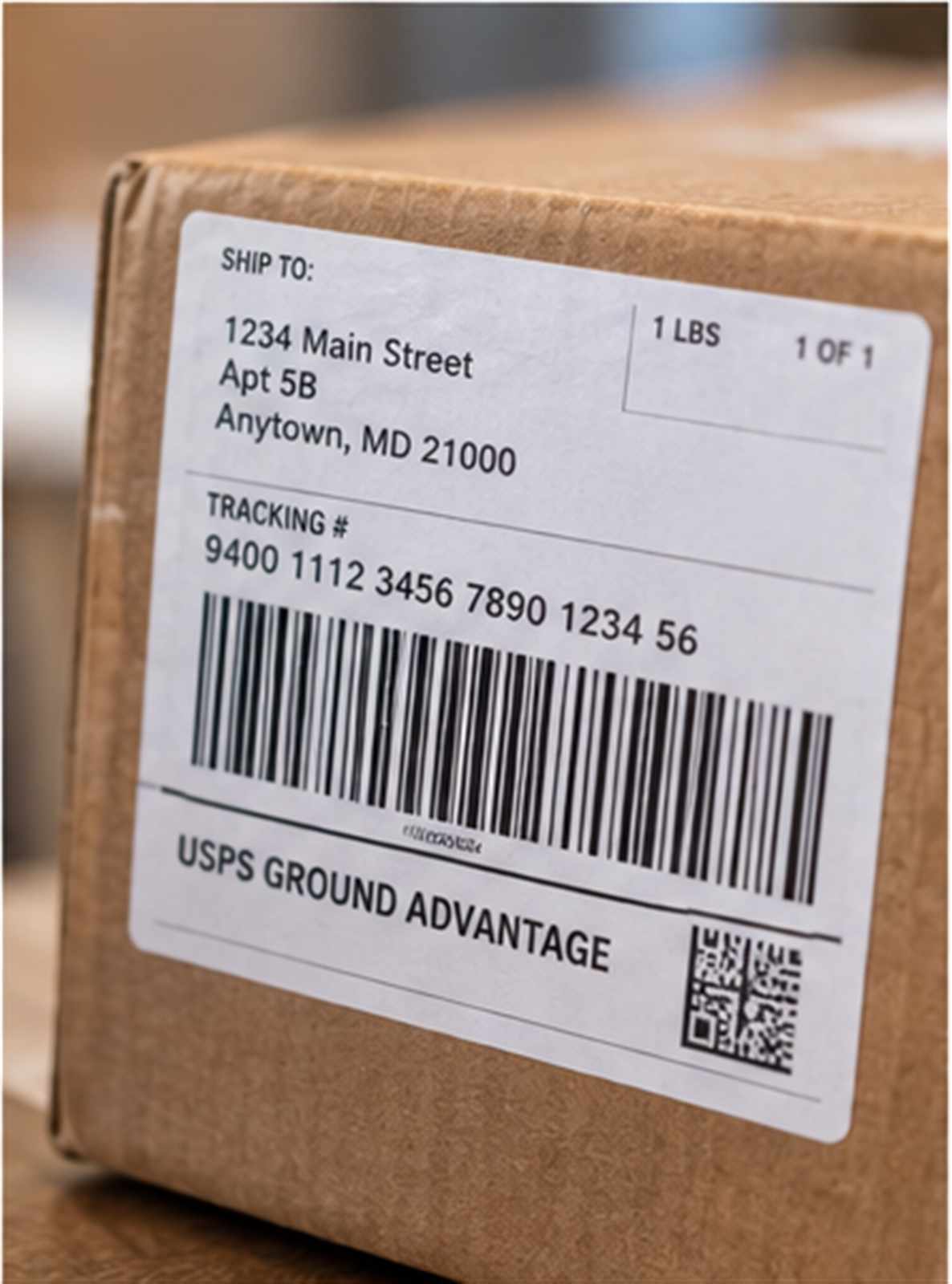
When a Tracking Number Problem Is Actually a Scam
Not every confusing tracking number message is a real carrier error. The United States Postal Inspection Service has publicly warned about a scam known as smishing, in which criminals send fake package tracking texts designed to look like they come from USPS or another major carrier. According to the Postal Inspection Service, these messages try to lure recipients into clicking a link and entering personal or financial information, and a key red flag is that “USPS will not send customers text messages or emails without a customer first requesting the service with a tracking number, and it will NOT contain a link.”
If you receive an unexpected text or email claiming there is a problem with a tracking number you do not recognize, especially one urging you to click a link to resolve a delivery issue or pay a redelivery fee, treat it as a likely scam rather than a real tracking discrepancy. The safest response is to avoid clicking any link in the message and instead check your order status directly through the retailer’s website or the carrier’s official tracking page using a tracking number you already have on file from your own order confirmation. The Postal Inspection Service recommends reporting suspected smishing texts by forwarding them to 7726 or emailing a copy to spam@uspis.gov.
What to Do If Your Real Tracking Number Still Shows Wrong Information
If you are confident the tracking number came from a legitimate order confirmation and the mismatch is not a scam attempt, the first step is simply to wait for the next scan, since a single outdated data point often corrects itself within a day once your package is actually processed. If the tracking page still shows unrelated information after your package’s expected ship date has clearly passed, contacting the seller directly is the most effective next step, since they can confirm with the carrier whether the label was affected by a number reuse issue and, if necessary, void it and generate a fresh one.
Keeping a copy of your original order confirmation email, which includes the tracking number the seller actually assigned to your shipment, makes this process much faster, since it gives both the seller and the carrier a clear reference point to compare against whatever the tracking page is currently displaying. It is also worth checking that email carefully against what you are viewing on the carrier’s site, since a single mistyped digit when the number was copied somewhere along the way can produce what looks like a completely unrelated shipment, when in reality your own package is tracking correctly under the number actually printed on your label.
Why This Happens More Often on Marketplace Orders
Shoppers who buy through large online marketplaces sometimes run into tracking number mismatches more frequently than shoppers who order directly from a single retailer’s own website, simply because marketplace orders often pass through more shipping software before a label is finalized. A seller might generate a label through a third-party shipping platform, realize an error in the weight, size, or address, void that label, and generate a replacement, all within the same order. If the original tracking number was already visible to the buyer before the void happened, that number can briefly show information tied to whichever shipment it was reassigned to next, rather than the buyer’s own package. Sellers on platforms like eBay and Etsy have documented this exact pattern in their own seller support communities, describing it as an occasional side effect of high shipping volume rather than a deliberate error on anyone’s part.
This is also why it matters to look at your order confirmation email rather than assume the number currently showing on a marketplace order page is guaranteed to be accurate in real time. Most marketplaces pull tracking data automatically from the carrier and display it with only a short delay, which means a temporary mismatch on the carrier’s own system can briefly appear on the marketplace page too before it self-corrects.
Frequently Asked Questions
- Is a mismatched tracking number a sign my package was stolen? Not usually. It is far more often a sign that the number was briefly reused from an earlier, unrelated shipment before your own package received its first real scan.
- How long should I wait before contacting the seller? Give it at least a day past your expected ship date. If the mismatch persists after that, contacting the seller directly is reasonable.
- How can I tell if a tracking text is a scam? A legitimate USPS tracking text will never contain a link and is only sent after you have specifically requested tracking updates for a number. An unexpected message with a link asking for personal information is a red flag.
- Should I click a link in a tracking text to check if it is real? No. Instead, go directly to the retailer’s website or the carrier’s official tracking page and enter the tracking number yourself.
If you are the one responsible for tracking packages for other people, such as running a mailroom, apartment complex, or business receiving area, spotting a mismatched or suspicious tracking number among dozens of daily deliveries is much harder to do by memory alone. Teams in that position often find it easier to rely on dedicated package tracking software instead.
