
What Happens If You Refuse a Package Delivery?
Refusing a package delivery generally sends the item straight back to the sender, often at no cost to you, as long as you refuse it before opening it and before signing for it. It is one of the simplest ways to return an unwanted shipment, whether it arrived by mistake, was sent to the wrong address, or turns out to be something you no longer want, but the exact outcome depends on the carrier and, in some cases, on who ends up paying for the return trip.
How Refusing a Package Actually Works
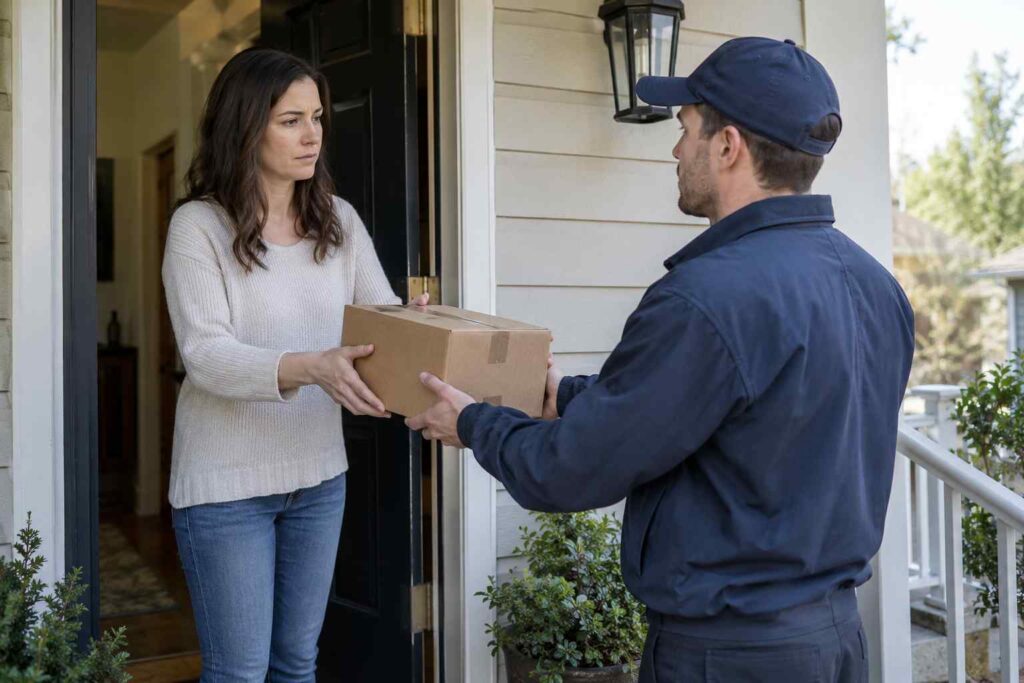
When a package is refused, you are essentially telling the driver or the postal system, right at the moment of delivery, that you will not accept it. For a carrier attempting hand-to-hand delivery, this usually means simply telling the driver you refuse it and handing it back unopened. For a package left without a signature, such as one dropped at your door, you can typically write “Refused” directly on the label and place it back in your mailbox for USPS, or contact the carrier to schedule a pickup for UPS and FedEx. The key requirement across every major carrier is that the package must remain unopened; once you break the seal or open the box, refusal is no longer available as an option, and any return would have to go through the sender’s standard return process instead.
What Each Major Carrier Actually Charges
USPS does not charge a fee for a customer to refuse a package. Simply informing your mail carrier or marking the package “Refused” and returning it to a mailbox or post office starts the return process, and Priority Mail and First Class Mail packages are returned to the sender at no additional postage cost, though other service levels can vary slightly. UPS follows a similar policy for its own network, generally not charging a return fee as long as the package has not been opened. In both cases, the sender, not the recipient, typically absorbs whatever cost is associated with getting the item back, which is one of the main reasons refusal is such an attractive option compared to accepting a package and then mailing it back yourself.
What About FedEx and DHL Specifically?
FedEx handles refusals similarly to UPS, generally requiring the package to be unopened and either refused directly with the driver at the time of delivery or reported to FedEx customer service shortly afterward so a pickup can be arranged. FedEx does not typically charge the recipient a fee for a straightforward, unopened refusal, though the shipper’s own account may see a return shipping charge depending on the specific service level originally purchased. DHL, which handles a large share of international shipments, generally allows refusal at the point of delivery as well, but international refusals can involve additional customs paperwork on the way back, which sometimes adds a few extra days to the return timeline compared to a purely domestic refusal.
Refusing Certified Mail and Legal Documents
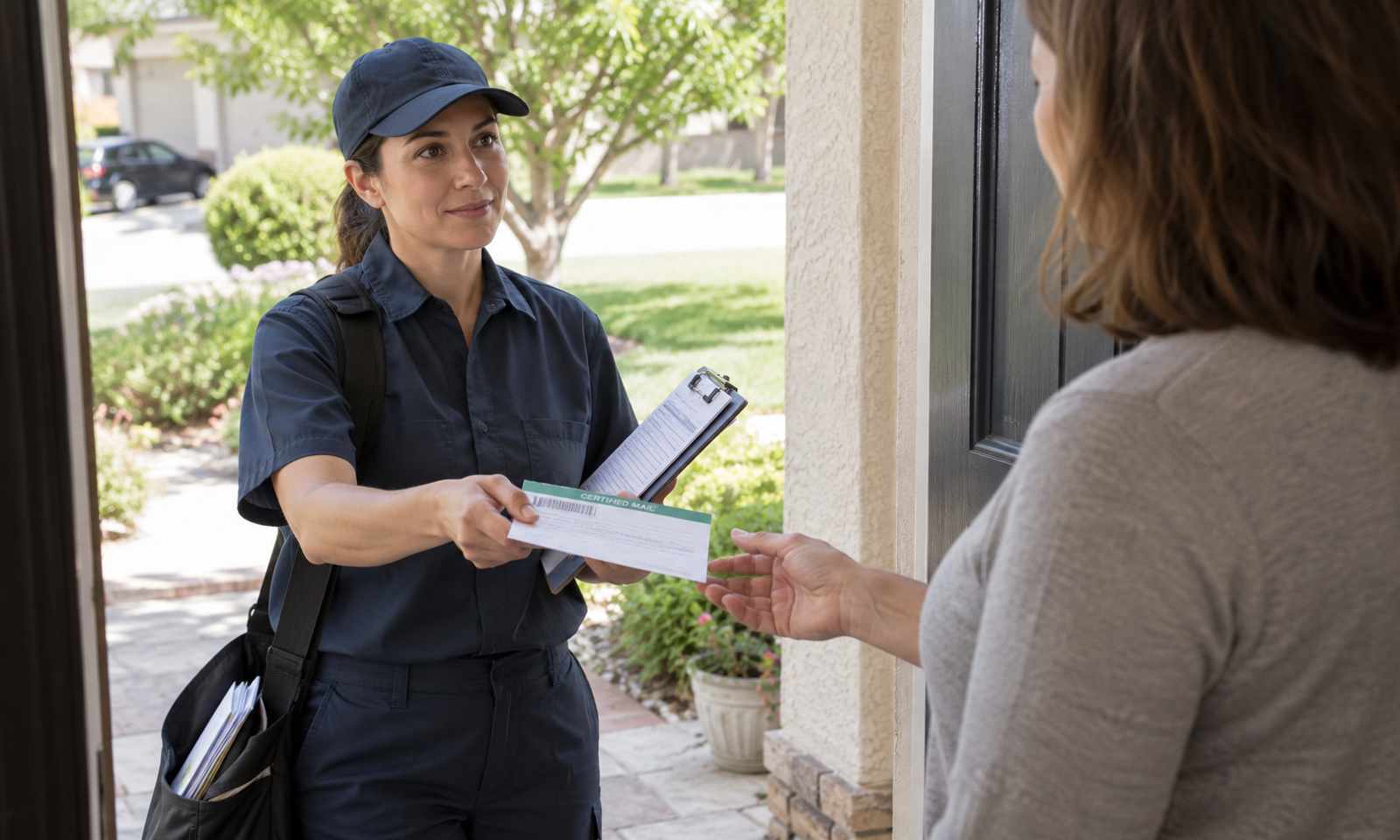
Certified mail and other signature-required legal documents, such as court notices or certified letters from a government agency, work a little differently. You can refuse to sign for and accept certified mail, and USPS will mark it as refused and return it to the sender, but refusing this type of mail does not cancel or delay whatever legal process or deadline it relates to. In many cases, a sender is considered to have satisfied a notice requirement once delivery was attempted, regardless of whether you accepted it, so refusing a certified letter is rarely a useful strategy for avoiding a legal or financial matter, even though the mechanical process of refusing it works the same way as refusing an ordinary package.
Why People Refuse Packages
There are several common, entirely legitimate reasons someone refuses a delivery rather than accepting and later returning it.
- Wrong address entirely. A package addressed to a previous resident or a completely different household is often best handled by refusing it immediately rather than opening it to investigate.
- Unwanted or unauthorized purchase. Refusing an item ordered by mistake, or one you suspect was fraudulently purchased using your information, avoids the delay of opening it and initiating a standard return afterward.
- Damaged packaging visible before opening. If the outside of the box is crushed or clearly compromised, refusing on the spot can be faster than accepting a likely-damaged item and going through a claims process later.
- Change of mind before delivery. If a canceled order still ships before the cancellation processes, refusing delivery is often quicker than waiting for it to arrive and then requesting a standard refund and return.
A Realistic Scenario
Consider someone who orders a large appliance, then finds a better price elsewhere and cancels the original order, but the cancellation does not fully process before the item ships. When the delivery truck arrives, the recipient tells the driver they are refusing the shipment, and the driver loads it directly back onto the truck without it ever entering the home. Compare that to accepting the appliance, then having to repackage a large, heavy item, schedule a return pickup, and wait for a refund to process only after the retailer confirms the returned item’s condition. Refusing at the door in this case saves real time and effort on both ends, and avoids any risk of a dispute over the item’s condition after it was briefly in the recipient’s possession.
When Refusing Is Not the Right Move
Refusal only makes sense before you open the package, so it is not a solution once you have already opened the box, even if you decide right away that you do not want the item. At that point, the sender’s standard return or exchange process applies instead, which usually means printing a return label and either paying for return shipping yourself or having it deducted from your refund, depending on the seller’s policy. Refusal also is not the right response if you already signed for or accepted the package, since most carriers consider the delivery complete at that point regardless of what happens afterward. Finally, if you actually want the item but it arrived damaged or is the wrong product entirely, contacting the seller directly for a replacement is usually faster than refusing and hoping a correct one ships automatically.
Refusing Versus Return to Sender by the Post Office
It helps to understand that “refused” and “return to sender” are related but not identical. A package can be returned to sender for reasons that have nothing to do with the recipient refusing it, such as an undeliverable address, an expired hold period, or insufficient postage. Refusal is specifically the recipient’s own choice, made at the point of attempted delivery, to reject an otherwise deliverable package. Both paths end with the item going back to the sender, but only refusal is something the recipient actively initiates on the spot.
Does Refusing Affect Your Relationship With the Seller?
For a legitimate marketplace or retail purchase, refusing an unwanted or mistaken delivery is a normal, accepted action and does not typically create problems with the seller, especially if you also cancel or explain the situation through the platform’s messaging system. Sellers generally process a refused-and-returned package similarly to a standard return once it arrives back at their facility, though refunds may take slightly longer to process since the item has to physically make its way back before the seller confirms its return.
Refusing a Package That Was Meant for Someone Else in Your Household
Refusal decisions can get complicated in shared households, apartments, or when a package was ordered as a surprise gift for someone else living at the same address. Since carriers generally allow anyone at the address to accept or refuse a delivery, it is worth briefly checking with other household members before refusing something you do not recognize, since refusing a gift meant for a family member sends it straight back to the sender and can be difficult or impossible to reverse once the driver has already left with it. When in doubt and no one can confirm what the package is, holding it unopened for a day to ask around is a safer choice than refusing on the spot.
Frequently Asked Questions
Do I get a refund automatically after refusing a package? Not automatically the moment you refuse it. The refund typically processes once the seller receives the returned package and confirms it back into their system, which can take several business days to a couple of weeks depending on distance and carrier.
Can I refuse just part of an order if multiple boxes arrive together? Generally yes, if the boxes are separate and clearly distinguishable, you can accept some and refuse others, though this is easier with carriers who deliver each box as an individually scanned item rather than one combined delivery.
What if I am not home when the package arrives? If it is left without requiring a signature, you can typically still write “Refused” on the label and return it to your mailbox or a collection box afterward, though this works more reliably with USPS than with UPS or FedEx, which may require scheduling a pickup instead.
Will refusing a package hurt my credit or account standing with the seller? No. Refusing a delivery is a normal shipping outcome, not a credit event, and it does not appear on your credit report or typically flag your account with a reputable retailer.
On a side note, if you manage inbound deliveries for a mailroom, apartment community, or business receiving area and need a clean, logged record of packages that were refused or returned rather than accepted, that kind of accountability is exactly what package tracking software is designed to provide.
