
Why Is My Package Stuck in Transit for So Long?
Most packages that show “in transit” for several days without an update are not lost. They are simply moving through a normal chain of trucks, sorting facilities, and scan points, and tracking systems often lag behind the package’s real location by a day or more. A short pause in updates, especially one to five days depending on the shipping speed you paid for, is normal and usually resolves on its own. It only becomes worth acting on once you pass the typical window for your specific service level, which this guide breaks down so you know exactly when to relax and when to actually contact the carrier.
Why Tracking Sometimes Freezes Mid-Shipment
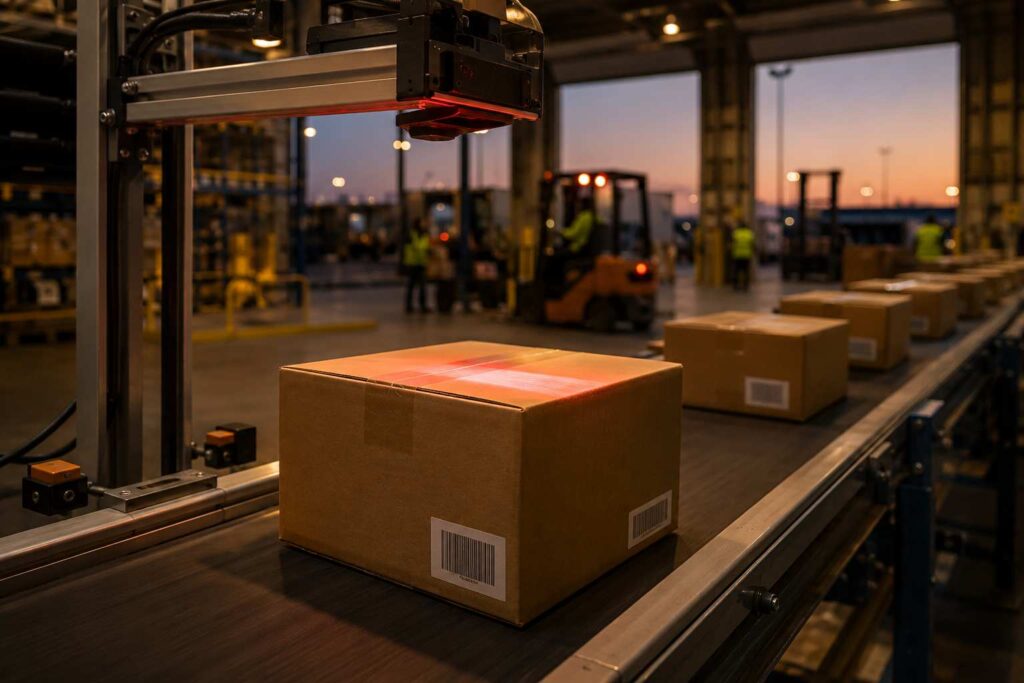
Package tracking is built on scans, not on real-time GPS. Every time a driver, a sorting machine, or a facility worker scans a barcode, that event gets uploaded to the carrier’s system and shows up in your tracking history. Between those scan points, your package is still physically moving, sitting on a truck, or waiting in a facility, but the tracking page has nothing new to display because no scan has happened yet.
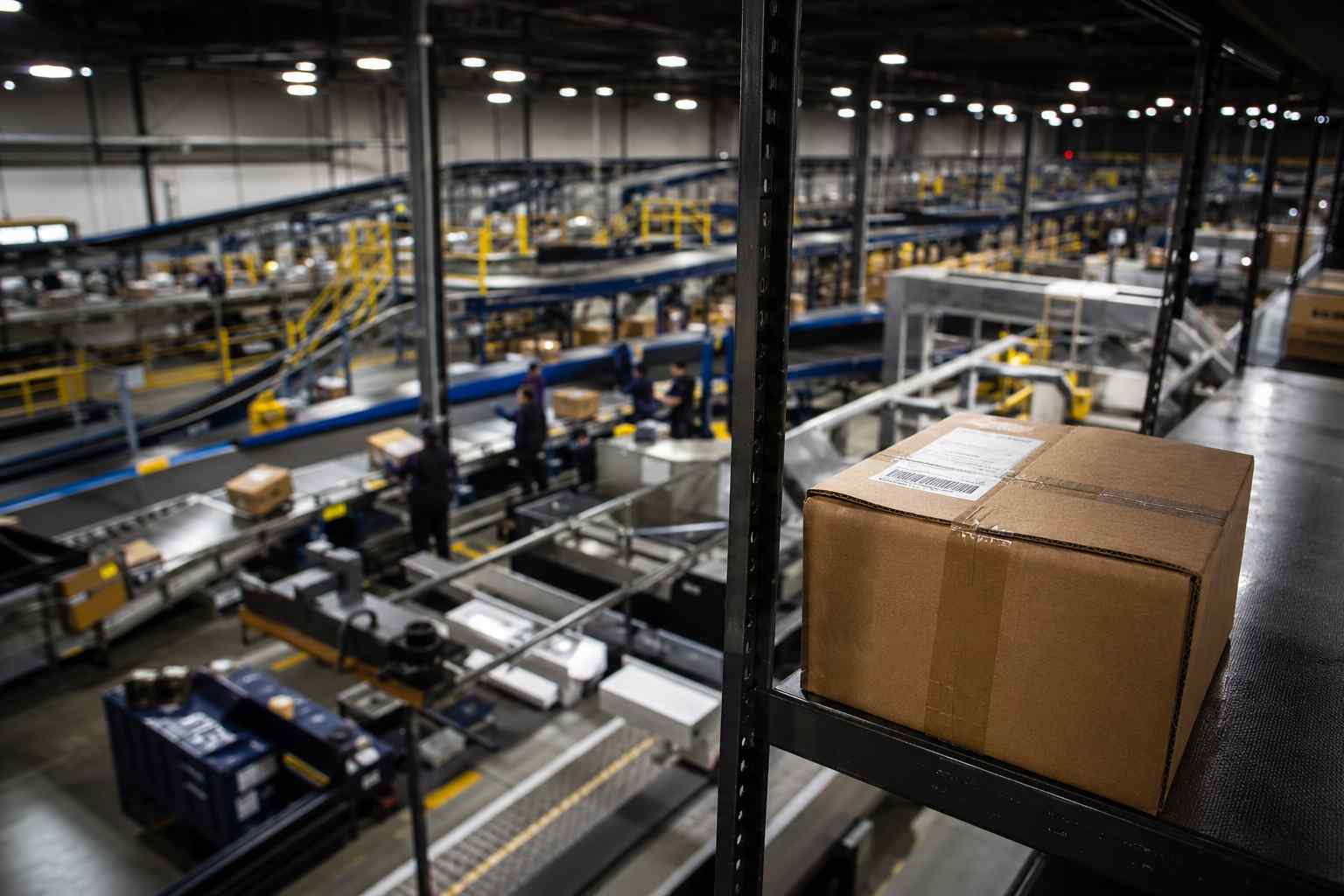
A message like “In Transit to Next Facility” is often a placeholder. It gets generated automatically once a package leaves one location, even before it has reached, or been scanned at, the next one. That single line can sit on your screen unchanged for a full day or two on a short regional hop, and for several days on a long cross country route, without anything actually being wrong. Large carriers process tens of millions of packages during normal weeks, and busy sorting hubs simply do not scan every item the moment it arrives. It gets logged in batches as trucks are unloaded and sorted.
This is also why two identical looking packages sent the same day can update on very different schedules. One might get scanned quickly at a smaller regional hub, while the other sits in a queue at a major hub that is processing a much larger volume that day.
How Long Is Too Long, By Shipping Speed
What counts as a normal gap in tracking depends heavily on which shipping speed was purchased, since faster services are built around tighter handling windows and slower services expect longer pauses between scans.
Express and overnight services are designed to move within a day or two, so a gap of more than a day without a new scan is worth watching. Priority style services typically move in one to three business days, and a pause of three to four days starts to stand out. Standard First-Class style mail is quoted at one to five business days, so four to five days without movement is still within the range of normal, especially heading into or out of a weekend. Slower ground services, which are quoted anywhere from two to eight business days depending on distance, can realistically sit without a scan update for four or five days and still be right on schedule.
As a simple rule across most services, one to three days of silence is completely ordinary. Four to five days is still common, particularly for slower or lower cost shipping options. Once you reach six or seven days with zero movement on a domestic shipment, it is reasonable to start paying closer attention and to reach out to the carrier if the package still has not moved a day or two after that.
Common Reasons a Package Gets Stuck
A handful of ordinary, non-emergency situations account for the large majority of “stuck in transit” packages, and understanding them can turn a stressful wait into a much calmer one.
- Weather and road conditions. A snowstorm, flooding, or a major regional weather event can pause an entire route or facility for a day or more, and every package moving through that area gets delayed together.
- Seasonal volume spikes. During the weeks around major holidays, sorting facilities handle far more volume than usual, and scans can fall behind the physical movement of packages by an extra day or two.
- Misrouted or mislabeled items. A damaged or partly unreadable label can send a package to the wrong regional hub, where it has to be manually identified and rerouted before it continues.
- Customs holds on international shipments. Cross border packages can sit at a customs facility for inspection or duty processing, which is a completely separate and usually longer step than normal domestic transit.
- Vehicle or facility disruptions. A mechanical breakdown, an accident, or a temporary facility closure can hold up every package that was scheduled to move on that particular truck or through that particular hub.
For example, imagine a package mailed on a Tuesday using a standard ground service that is quoted at three to five business days. If it reaches a regional sorting hub on Wednesday night, right as that hub is also absorbing a large holiday volume spike, it might not get its next scan until Friday morning even though it physically arrived two days earlier. To someone refreshing the tracking page, that looks alarming. To the carrier, it is a routine backlog that clears within a day or two.
What To Do While You Wait
Before assuming a package is lost, a few quick checks usually explain what is happening and help you decide whether it is time to act.
Start by looking at the estimated delivery date rather than only the current status line, since carriers calculate that date using their own internal handling windows and it is often a better signal than the status text alone. Next, check the full tracking history instead of just the latest line, since an older scan showing a “delivery exception,” a “returned to sender,” or an address correction points to a real issue that needs your attention, while a normal string of transit scans does not. It also helps to double check that the shipping address on file with the seller or shipper was entered correctly, since a mistyped unit number or zip code is one of the more common reasons a package takes an unusually indirect path.
If none of that turns up anything unusual, the most effective step is simply to wait out the normal window for the shipping speed you selected before contacting anyone. Carriers generally cannot provide more detail than what is already showing in tracking until a package has been stalled longer than its normal handling time, so an early call rarely produces new information.
When and How to File a Claim or Missing Mail Search
Once a package has genuinely exceeded its normal window, most major carriers offer a formal way to have someone look into it rather than leaving you to guess.
For USPS shipments specifically, a Missing Mail Search Request can be submitted starting seven days after the mailing date. You will be asked for the sender and recipient addresses, the size and type of package, identifying details such as the tracking number or mailing receipt date, and a description of the contents, including anything like a brand, model, color, or size that would help identify it if it is found. After you submit the request, USPS sends a confirmation email and periodic updates, and if the item is located it gets forwarded on to you, although recovery is not guaranteed for every search.
USPS also sets specific windows for filing an actual insurance claim on a lost package, and these vary by service. Priority Mail Express claims can be filed starting seven days after mailing and must be filed within sixty days. Priority Mail, USPS Ground Advantage, and insured or registered mail have a slightly longer minimum wait of fifteen days before a claim can be filed, also with a sixty day outer limit. Claims for a package that arrived damaged or with missing contents can be filed right away, again within that same sixty day window.
UPS and FedEx work in a similar spirit, though their specific windows differ by service level. In general, it is best to contact the shipper first if you purchased something online, since sellers often have a direct line to file a trace or claim on your behalf, and to have your tracking number and order details ready before you reach out to either the carrier or the seller.
What About UPS and FedEx?
Private carriers like UPS and FedEx use the same basic scan-based tracking model as USPS, so the same general logic about scan gaps applies to them. A short gap between scans, particularly overnight or over a weekend, is normal, and it becomes worth a phone call once a package has clearly missed its estimated delivery window by more than a day or two. Both carriers also offer their own claims and investigation processes for shipments that were purchased with tracking or insurance, and the shipper or seller who paid for the label is usually the fastest path to getting one started, since they have direct account access that an individual recipient typically does not.
Frequently Asked Questions
Is five days with no tracking update normal? For standard or economy shipping, yes, five days without a new scan is still within normal range, especially around weekends or busy shipping seasons. For express or overnight service, five days without movement is unusual and worth contacting the carrier about.
What does “in transit to next facility” actually mean? It means the package has left its previous location and is on its way to the next sorting point, but has not yet been scanned there. It is a placeholder status rather than a sign that anything has gone wrong.
How long before I can file a lost package claim with USPS? A Missing Mail Search Request can be filed starting seven days after mailing. A formal insurance claim can be filed after seven days for Priority Mail Express, or after fifteen days for Priority Mail, Ground Advantage, and insured or registered mail, with a sixty day outer limit for all of them.
Should I contact the carrier or the seller first? If you bought the item online, contacting the seller first is usually faster, since they can often initiate a trace or a replacement directly through their shipping account.
On a side note, if you are the one keeping track of packages for other people, such as running a mailroom, apartment complex, or business receiving area, you may find it worth looking into package tracking software built specifically for that kind of volume.
